
Distance: Around 16 miles.
Duration: 90 minutes or so, depending on your fitness and selfie priorities.
Must-brings: $5 cash or check to pay daily trail fees (or pay online), backpack with snacks, water and an extra long sleeve layer.
Why go: Magical scenery, an epic feeling of oneness with nature, a great way to cover a lot of ground in the Black Hills outdoors and not get too exhausted doing it.
Note: This trip requires either planning on out and back travel or bringing two vehicles—one to drop off at the Deadwood Trailhead and one to get your bikes to the Dumont Trailhead. This vehicle you will leave at the trailhead and return for in the other vehicle after your ride.
What’s Up with The Mickelson?
The George S. Mickelson Trail or “The Mick” is a converted railroad line that meanders 109 miles from Deadwood to Edgemont, or vice versa, depending on your perspective of the world.
A personal favorite route, Dumont to Deadwood is a northbound, mostly downhill portion of the Mickelson Trail that’s generally accessible to moderately healthy bicycle riders of any skill level.
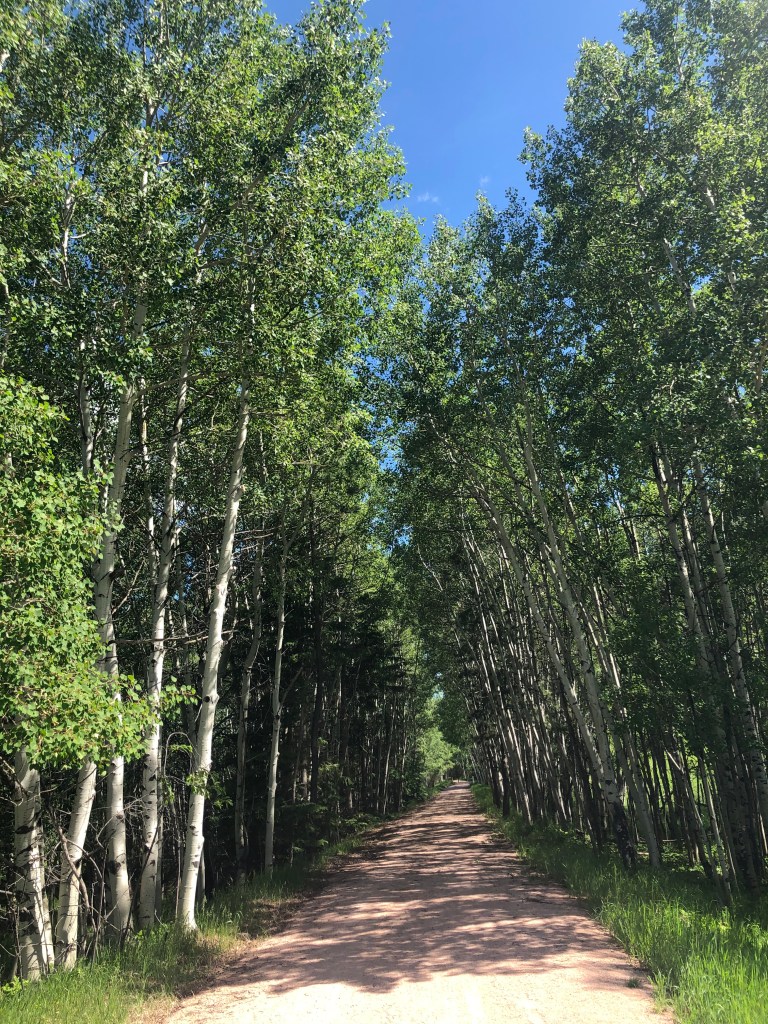
The terrain is mostly packed gravel which can occasionally give way to areas of loose sand or flat out dirt, depending on the time of year. I recommend a gravel bike or a mountain bike as it is possible to slide around on descents or lose traction in the looser surface on ascents, plus you’ll want gears to adjust your pedaling comfort level.
How Do I Get There?
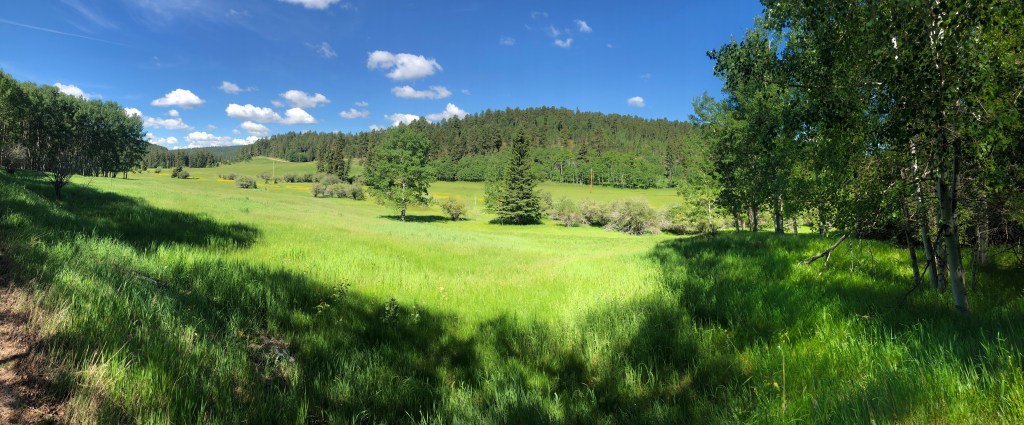
The Dumont Trailhead is a 10-15 minute drive from Deadwood and about 10 minutes from Lead (pronounced leed). Rochford (pronounced rotch-ferd) Road will take you along some spacious, open fields that are blooming with yellow wildflowers in late spring and early summer. The roadsides can also boast both purple and white flowers depending on the amount of rain the area has seen.
Upon arrival at the Dumont Trailhead, you will find ample parking. There is also a seasonal portajohn (open Memorial Day to Labor Day) and a picnic table.
Important: Please pay your trail access fees before setting off.
What’s the Ride Like?
From the trailhead, access the Mickelson Trail by crossing Rochford Road. Deadwood is to your left. Go that way.
The first part of the journey—a long, steady, uphill grade—can feel like a slog. It’s gradual, though, and it’s worth it, so don’t get disheartened.
Once you get over that hump, it’s (mostly) all downhill, which may or may not be good news for you. Personally, the last time I rode this portion of the trail, my, shall we say, “nether regions” got numb and I found myself standing up on my pedals or sticking my legs out to the side just to get some circulation going on down there.
However, with the breeze tousling your hair and the dappled sunlight strobing through the trees, it’s easy to get the sensation that you’re flying and not just riding. Go slow, though, because the ride is so dang pretty and interesting. Take a moment now and then to appreciate the industrious folks that pushed to get this trail made. Imagine the trains that ran the tracks hidden just under the ground beneath you and how this area might have looked 150 or so years ago—a horse gallumphing your way with a friendly rider atop, halooing you from afar.

Keep in mind that much of the property on either side of the trail is private and encroachment is trespassing. So, resist the dreamy temptation to go a-traipsin’ across those inviting meadows.
When you’re all through letting your mind wander and ready to get back on your bike, you’ll eventually pass by the Rochford Trailhead, where there is a bench for shade, a bike maintenance station, a portajohn and sometimes a water spigot that isn’t turned off.
Not long after the Rochford Trailhead, you’ll encounter a small climb, at the end of which you’ll come to a fork in the trail, literally.
To Sugar Loaf or Not To Sugar Loaf?
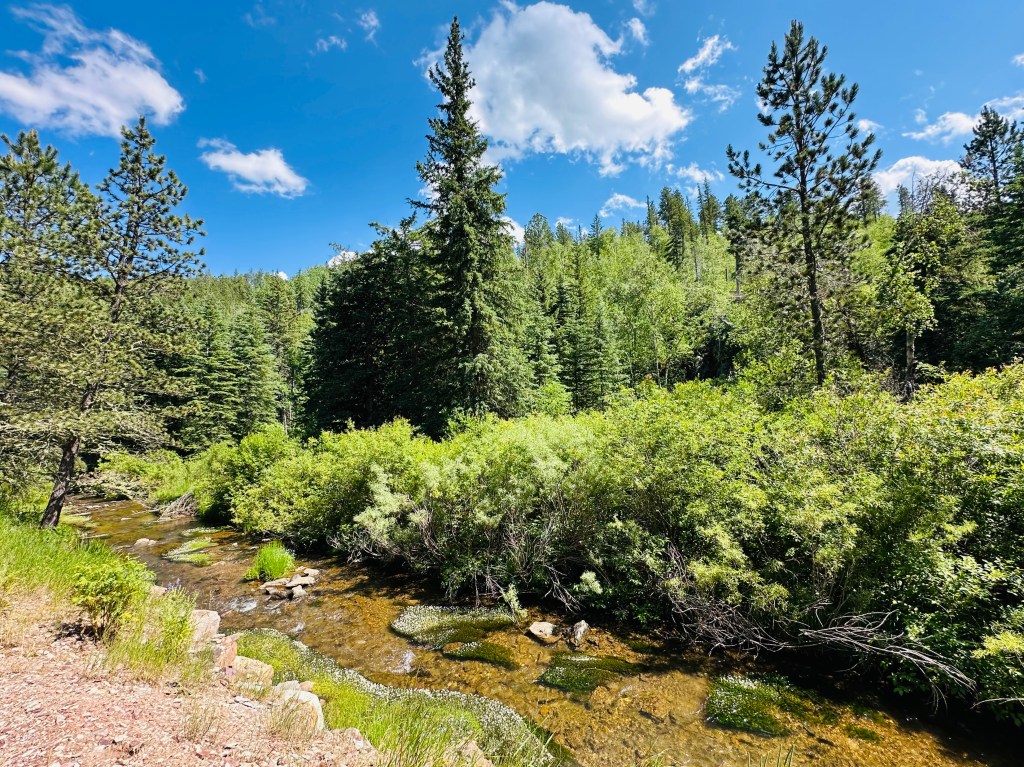
To the left is a fairly challenging climb via the Sugar Loaf spur trail. This leads to a scenic creekside ride near the outskirts of Lead and you’ll merge back with the Mickelson itself at the Kirk trailhead about ¾ of the way down the spur.
If you choose to continue your descent, go to the right. The first few hundred yards is bumpy, so take it slow, especially if you’re inexperienced in such moderately rocky terrain. You can easily go ass over applecart if you’re in too much of a hurry (that’s South Dakotan for “over your skis” which is also South Dakotan for “flip over and suffer grievous injuries to your neck/head/back.”)
The advantage to continuing this way is that you’ll go over a series of picturesque bridges and through a unique, though short, limestone corridor where you can catch glimpses of glittering quartz jutting out of the hillsides. Keep your photo-capable mobile device (cellphone) handy. There are also a few pull off spots with benches to stop and rest.
Regardless which path you choose, the trail will straighten out as you approach an area called Kirk, where there’s still a functional power station up on a hillside. You can also see a few buildings leftover from the Homestake Mine-era looming over you on the horizon.
Continue on the trail and you will encounter three road crossings that can be a tad sketchy because of cross traffic and blind corners. Follow the signs and proceed cautiously.
As you approach Deadwood, you will encounter the most dangerous part of the trail, which is when you cross South Dakota Highway 385. Stop and wait until all of the traffic has cleared or until you are sure that cars have stopped to allow you to cross. I’m never comfortable crossing here, so stay on your toes.
Soon you’ll hit another, milder road crossing at the entrance to the city of Deadwood. The area should look familiar as you glide through the neighborhoods along the trail. You’ll likely encounter more bikes, joggers and pedestrians with dogs through here. Before long, the trail ends at the Deadwood Trailhead and the parking lot, where you can finally dismount and rest your tired nethers.
 What's Good, Black Hills?
Leave a comment